
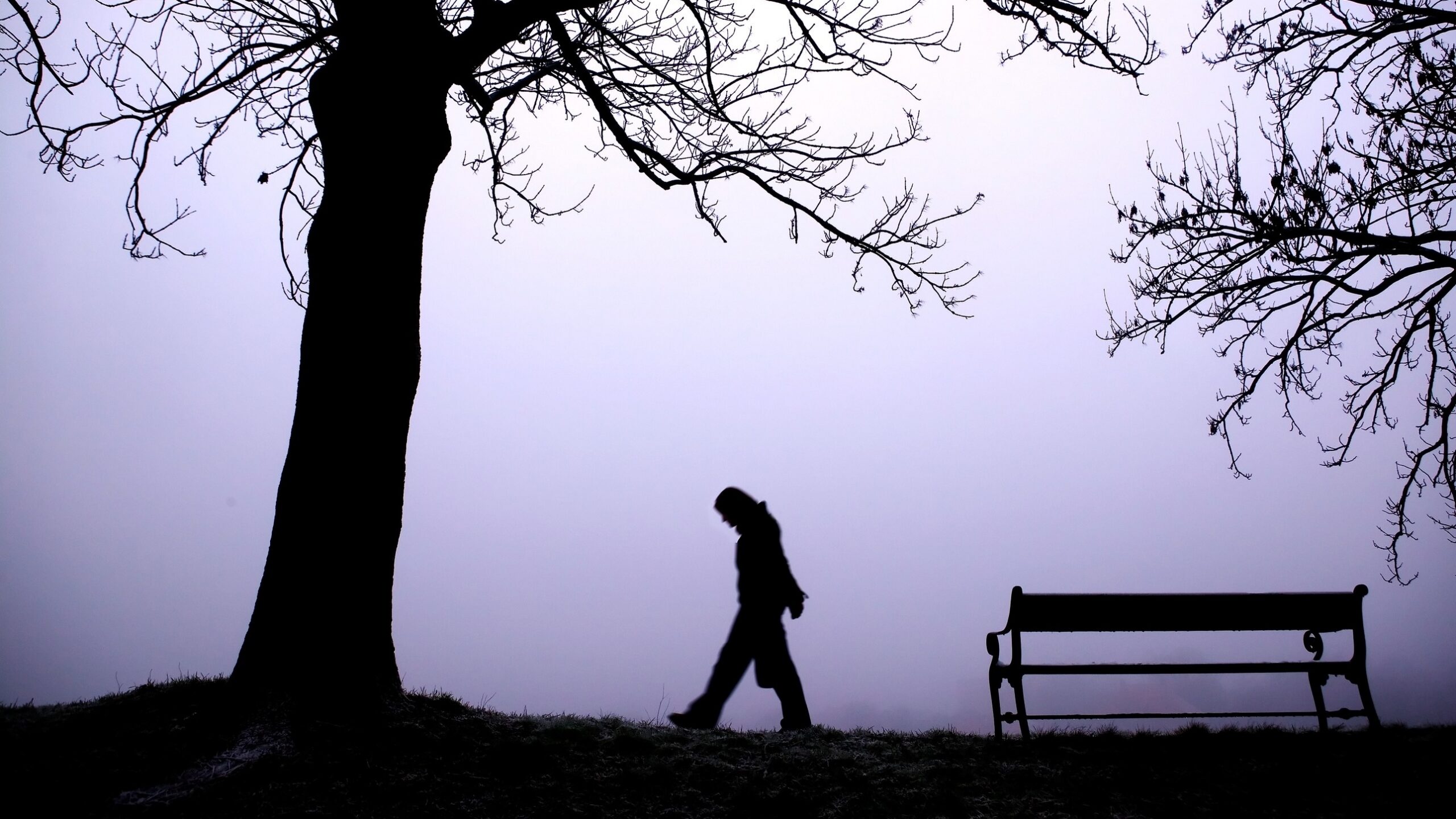
It’s easy to assume winter depression can’t touch you when you live in San Diego County. We don’t get months of gray skies or snow. But Seasonal Affective Disorder (SAD) does happen here, and it often goes unnoticed because people assume our weather protects them.
It’s true that SAD is more common the farther you live from the equator. Even so, shorter days still affect people in Southern California. And many of us didn’t grow up here or haven’t lived here long. If you’re part of a military family, you may have moved from a duty station in Washington, Alaska, or overseas, where those dark winters left a mark that your body still remembers.
So how do you know whether you’re dealing with a normal seasonal dip or something that deserves more attention?
What the autumn blues usually look like:
The autumn blues, or seasonal fatigue, are common and mild. You might feel a bit more tired, want to stay home more, or miss the long summer evenings. Your mood may dip on some days.
The key is that you’re still you. You can still enjoy time with people you love. You still get through work and daily responsibilities, even if it takes more effort. The low feelings come and go, and they usually ease when you get outside, see a friend, or rest.
What Seasonal Affective Disorder looks like:
Seasonal Affective Disorder, or SAD, is a form of depression that follows a seasonal pattern. For most people it starts in late fall or early winter and lifts in spring. It tends to come back around the same time each year.
SAD goes beyond feeling tired or a little down. Common signs include:
- Feeling sad, empty, or hopeless most of the day, nearly every day
- Losing interest in things you normally enjoy
- Sleeping much more than usual and still waking up exhausted
- Craving carbohydrates and noticing changes in appetite or weight
- Pulling away from friends and family, sometimes described as “hibernating”
- Trouble concentrating or making decisions
- Feeling worthless or carrying a lot of guilt
- Thoughts of death or suicide
A side-by-side look:
| Autumn Blues | Seasonal Affective Disorder | |
| How often | Comes and goes | Most of the day, nearly every day |
| Enjoyment | You can still enjoy things | Interest and pleasure fade |
| Daily life | Harder, but you keep up | Work, home, or relationships start to slip |
| How long | Days here and there | Weeks to months, often until spring |
| Pattern | May not repeat | Tends to return at the same time each year |
Early warning signs to watch for now:
One of the most helpful things you can do is notice changes early, before they build. Some early signs I’d pay attention to:
- You’re canceling plans more often and feeling relieved when you do
- Your sleep is creeping longer, or you’re napping more than usual
- You’re reaching for sweets and starches more than you normally would
- Small tasks feel bigger than they should
- People close to you mention that you seem quieter or more withdrawn
- You notice the same mood shift happened last year around this time
That last one matters. If you can look back and see a pattern, now is the time to plan for it.
Preparing Early: Tools that help
Start a simple mood check-in. Once a day, rate your mood and energy from 1 to 10. A few weeks of notes will show you trends that are hard to see day to day, and they’re useful to bring to a doctor or therapist.
Protect your morning light. Spend time outside early in the day whenever you can. For some people, a light therapy box is also helpful. These lamps are designed to mimic bright daylight and are usually used for a set time each morning. Please talk with your doctor before starting one, especially if you have bipolar disorder, eye conditions, or take medications that make you sensitive to light.
Schedule connection before you need it. When mood dips, reaching out feels hardest. Put a standing coffee date, walk, or phone call on the calendar now, so the decision is already made.
Keep doing the things that matter to you, in smaller doses. When you don’t feel like doing anything, a small version still counts. Ten minutes in the garden. One chapter of a book. Often the motivation shows up once you’ve started.
Keep your sleep and wake times steady. Oversleeping can feel comforting, but a regular rhythm tends to support mood better over time.
Consider therapy before winter hits. Therapy can help you build a plan for the season, work with the thoughts that make dark months feel heavier, and catch symptoms before they take over. Medication can also help some people, and is a conversation to have with your doctor.
You don’t have to wait until it’s bad
Many people put off getting support until they’re deep in a hard season. You’re allowed to reach out earlier. If you recognize yourself in the SAD list, or you’ve noticed this pattern before, let’s talk. I offer a free 15-minute consultation call, and I see clients in person in El Cajon and virtually across California. You can reach me at 619-320-8944.
If you’re having thoughts of suicide or feel like you might harm yourself, please call or text 988 to reach the Suicide and Crisis Lifeline. Veterans and service members can press 1 to reach the Veterans Crisis Line. If you’re in immediate danger, call 911.
Disclaimer: The information on this blog is for educational and informational purposes only and does not constitute medical advice or a professional therapist-client relationship. If you are experiencing a mental health emergency, please call 988 or go to your nearest emergency room.